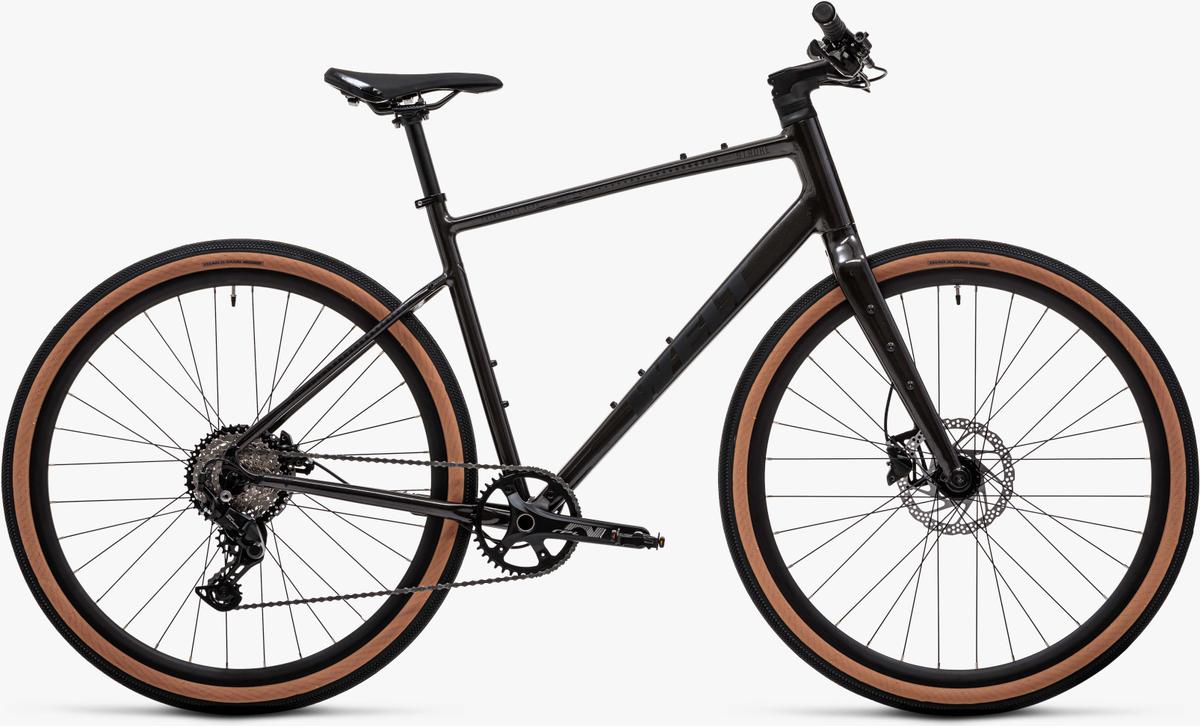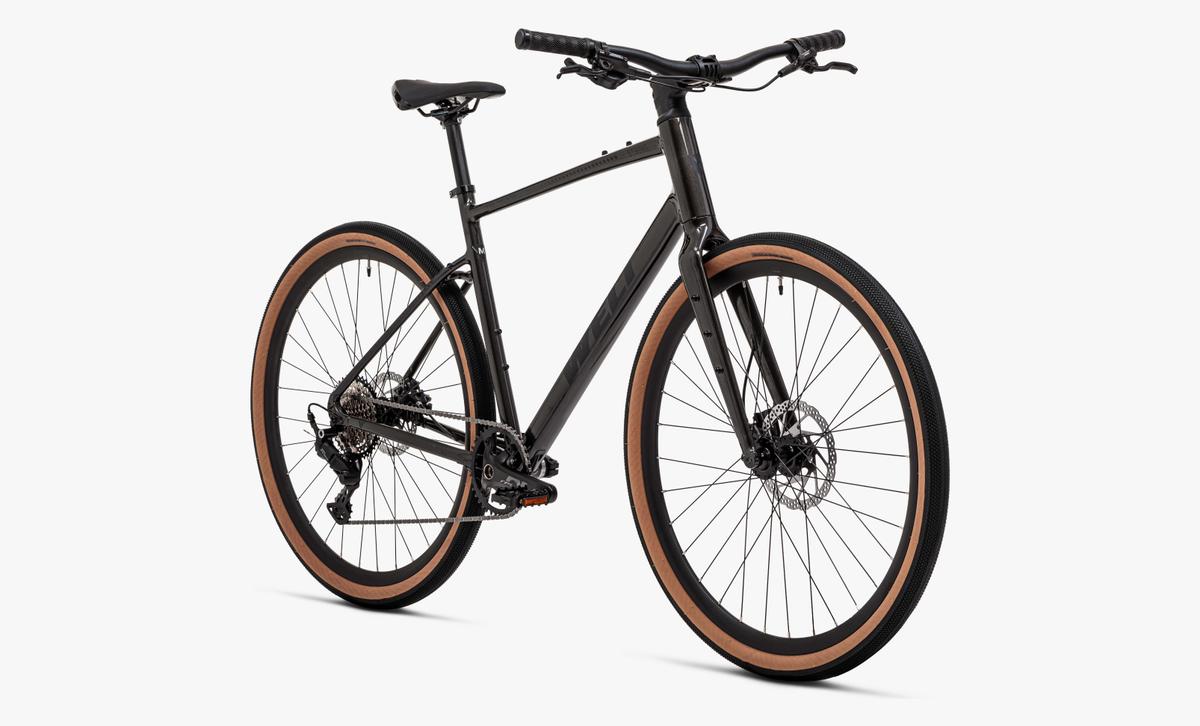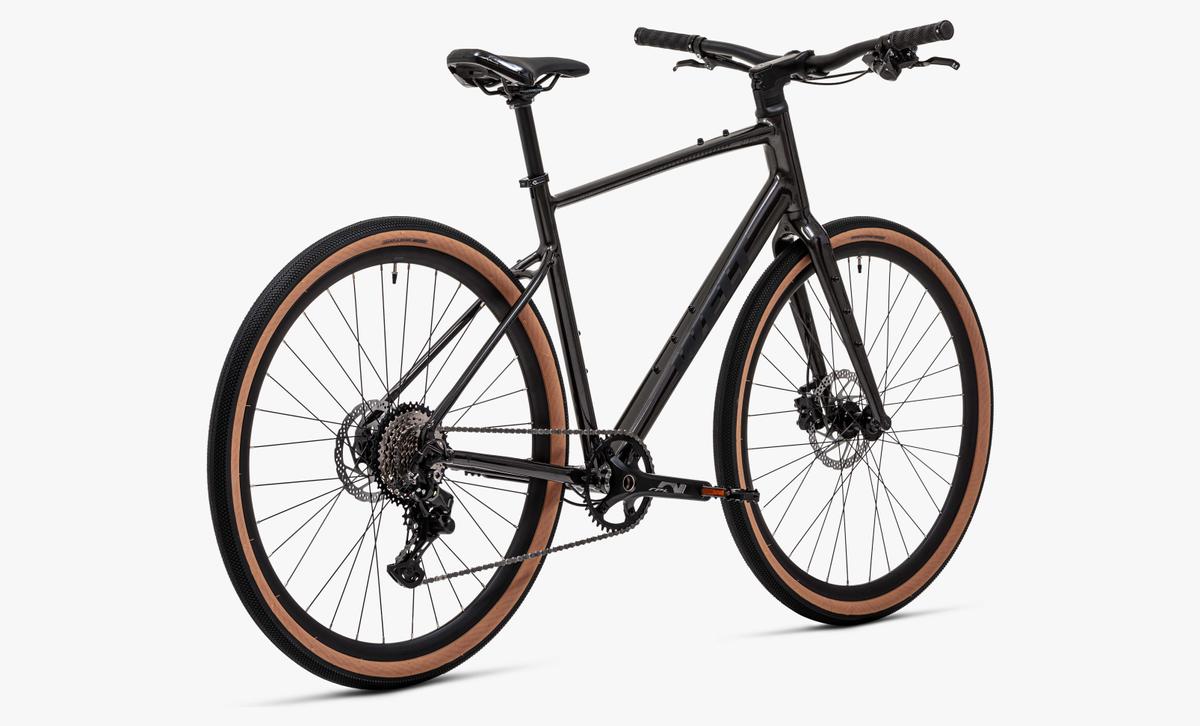
The urban bike has become an essential mode of transport for daily commutes on asphalt roads, bike lanes, and paved streets. Whether you’re heading to work, running errands, or enjoying a leisurely ride through the city, comfort and safety are key factors for making every trip enjoyable.
While factors like bike size, saddle position, and tire choice influence your comfort, the fork plays a decisive role in the overall riding experience. Choosing between a rigid fork and a suspension fork can significantly affect how your bike handles, how much vibration you feel, and how stable your ride feels on different urban surfaces.
In this article, we will explore the function of the fork, compare the two main types, and help you decide which one is best suited for your daily city rides, whether for commuting, urban cycling, or casual city adventures, ensuring your urban bike is comfortable, efficient, and perfectly adapted to smooth and rough city terrain.
An urban bike, also known as a city bike, is designed for calm, comfortable rides on smooth surfaces such as asphalt roads, cobblestones, riverfronts, or park paths. It typically features an upright riding position, a simple drivetrain, fenders to protect against splashes, and sometimes the option to add a rear rack or a basket for carrying cargo.
This type of bike is not built for speed or rough terrain. Instead, it prioritizes comfort, stability, and reliability for everyday city commuting. Whether you’re using it for commuting, running errands, or enjoying leisurely urban rides, the urban bike focuses on practicality and enjoyment for daily city travel.
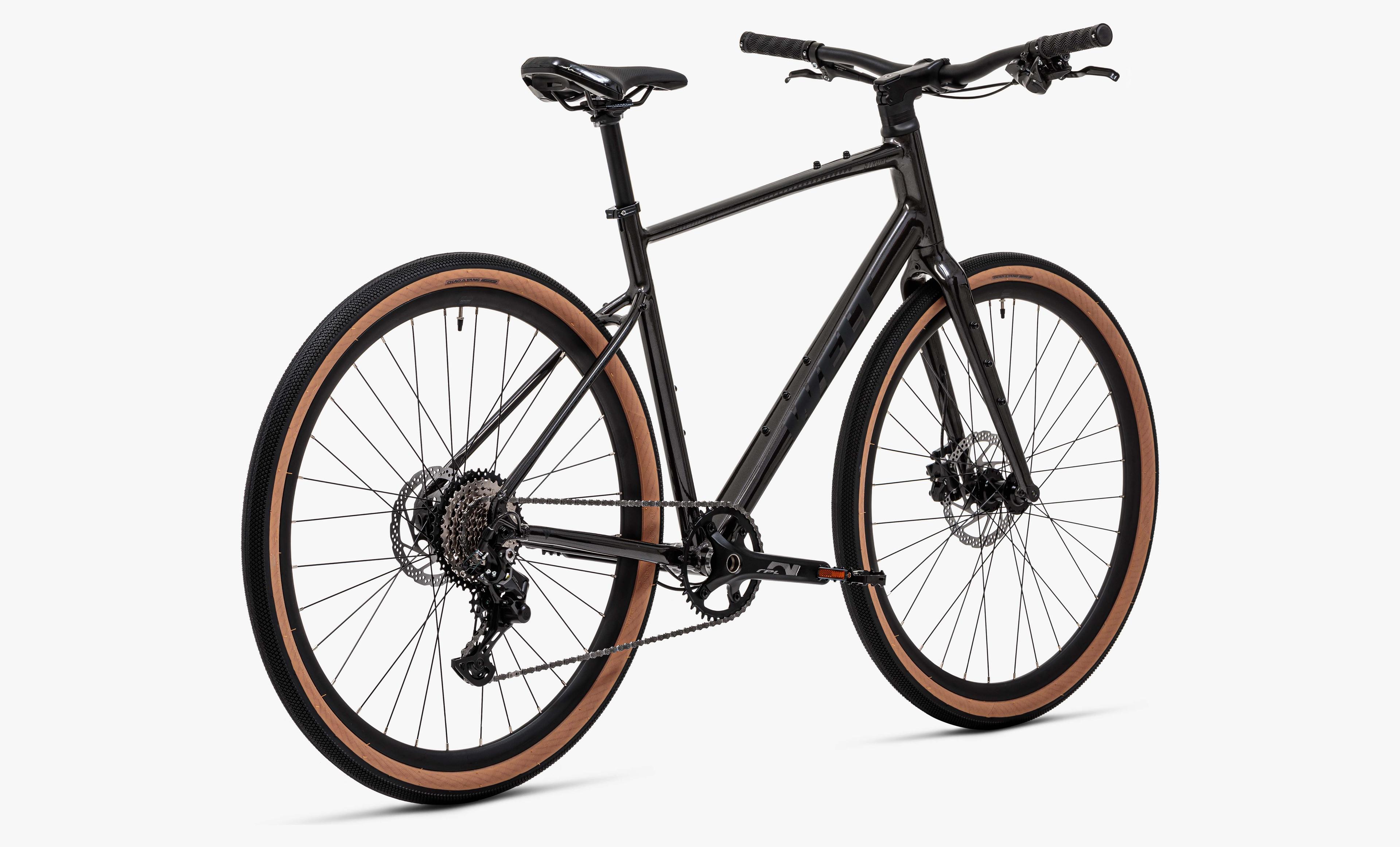
Welt Stroke : city gravel with a rigid fork
The fork is a key component of an urban bike, connecting the front wheel to the head tube. It absorbs the majority of shocks from the road, especially when riding over curbs, cobblestones, manhole covers, or tram tracks.
The design of the fork directly affects pedaling comfort, bike stability, and how vibrations from the road are felt. On a city bike or commuter bike, a well-designed fork allows you to ride more smoothly on varied urban surfaces and enhances both control and safety on your daily routes.
A rigid fork, also called a straight or hard fork, is a single-piece structure with no moving parts. Unlike a suspension fork, it does not absorb shocks, but it is lightweight, durable, and completely maintenance-free.
On an urban bike or city bike for commuting, a rigid fork allows easier acceleration and better power transfer to the road, making it ideal for rides on asphalt, cobblestones, or smooth bike paths. It also provides more mounting options for fenders, racks, baskets, or locks, making it highly practical for everyday city commuting.
Why Choose a Rigid Fork?
Opt for a rigid fork if you:
Thanks to its simplicity and durability, the rigid fork remains a top choice for urban cyclists seeking comfort, reliability, and efficiency for daily commuting while maintaining a practical and stylish look.
Discover Welt Stroke, a gravel bike specially designed for the city with its rigid fork.
A suspension fork incorporates a mechanism that compresses under impact, helping to absorb vibrations, improve control on uneven surfaces, and reduce fatigue in the arms and shoulders.
There are two main types of suspension forks:
Why Choose a Suspension Fork?
By absorbing shocks, a suspension fork enhances both comfort and safety on daily city rides, allowing you to fully enjoy commuting, urban outings, and leisure rides.

A suspension fork will slightly change the weight of the bike
It is important to note that a suspension fork makes the bike slightly heavier and requires regular maintenance. On entry-level models, it may even provide less comfort than a rigid fork.
If you are on a limited budget, a rigid fork is often the smarter choice for a reliable, lightweight, and low-maintenance urban bike, perfect for commuting, daily city rides, and smooth urban paths.
If your route is mostly a straight ride from home to the office on smooth asphalt, a rigid fork is the most practical choice: lighter, more reliable, and low-maintenance. It is perfect for daily commuting and typical urban rides.
However, if your route includes irregular surfaces, curbs, road joints, or cobblestones, and you want extra comfort, a suspension fork can make a real difference. It absorbs vibrations and reduces fatigue, making your city rides smoother and more enjoyable.
Pro tip: For the same frame, it is often possible to choose between different forks. Some urban bike models are available with either a rigid or suspension fork, giving you more freedom to select the setup that suits your needs.
To explore available options and compare models, check out our selection of Welt Bikes city bikes
If you are new to urban cycling, choosing between a rigid fork and a suspension fork can seem confusing. Yet, the riding experience varies greatly depending on the fork type, and it’s important to consider this for your daily city rides.
Practical advice: If you are buying your first urban bike and plan to ride on mixed surfaces - asphalt, cobblestones, or park paths - choose a quality suspension fork for optimal comfort. If you value simplicity, light weight, and reliability, a rigid fork remains an excellent choice for beginner city cyclists.
The type of fork affects both how you handle your city bike and your comfort throughout each ride. A rigid fork is ideal for those who value simplicity, light weight, and efficiency, while a suspension fork provides extra comfort and smoothness on uneven surfaces.
To make the best choice, consider the actual surfaces of your daily routes and your personal riding experience. And if you’re unsure, the experts at Welt Bikes partner stores are ready to guide you and help you find the perfect city bike, tailored to your needs and daily commuting challenges