
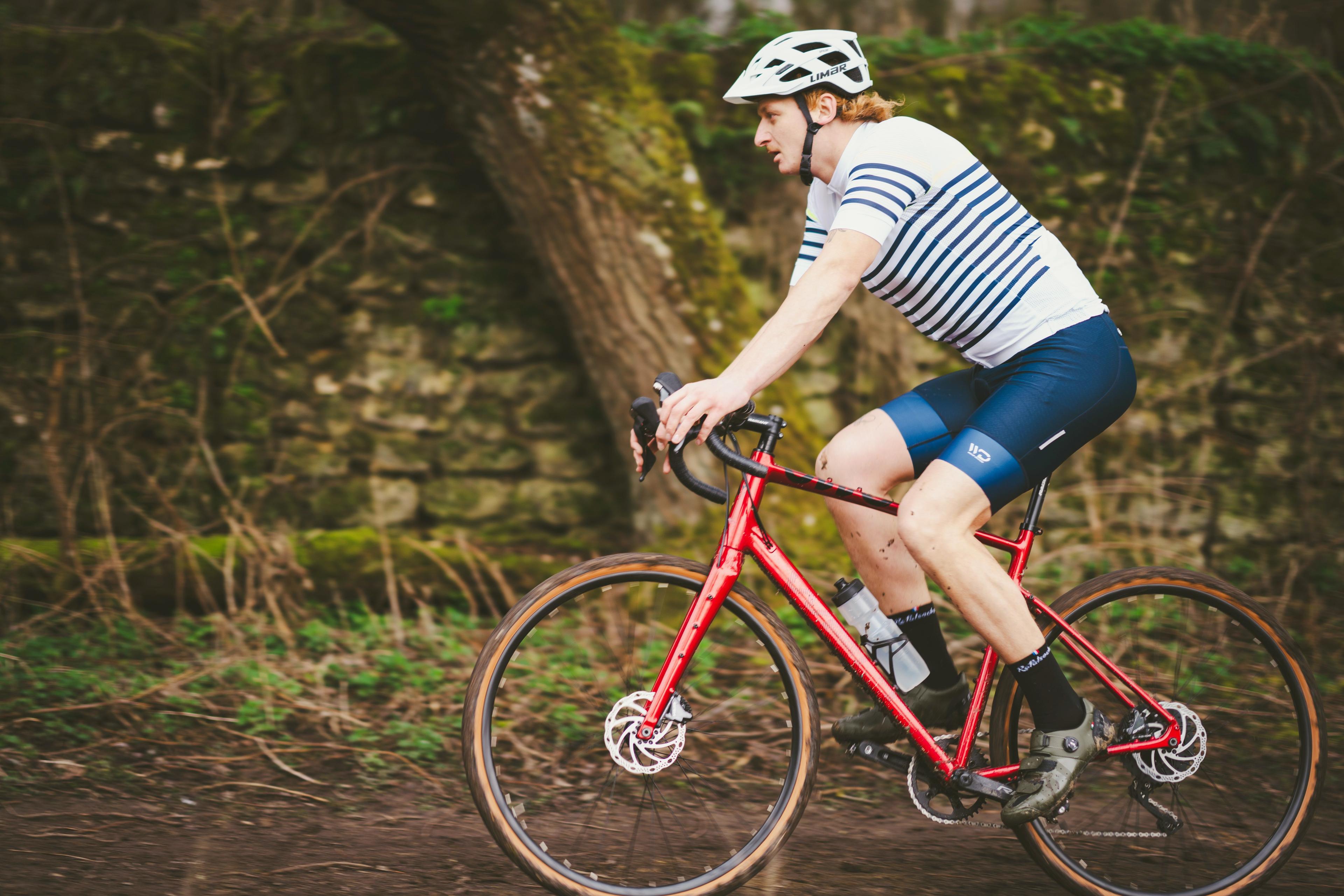
Choosing the right braking system is a crucial step when buying a bike for travel, whether you’re into gravel riding, bikepacking, or long-distance cycling adventures. The quality and responsiveness of your brakes not only impact your safety but also your overall riding experience, especially on technical descents or varied terrain.
Modern bikes - including the Welt Bikes range, designed to tackle both paved roads and rugged trails - primarily use two types of disc brakes: mechanical and hydraulic. Each comes with its own advantages and features, depending on your riding style and the conditions you encounter.
In this article, we’ll break down these two technologies in detail to help you choose the braking system that best suits your needs — whether you’re planning a weekend gravel ride or a long bikepacking journey across multiple countries.
Today, there are three main categories of braking systems used on modern bikes - whether you’re riding a gravel bike, a touring bike, or a long-distance travel bike like those from the Welt Bikes range.
Rim brakes, also known as V-brakes, are a simple and affordable system where the brake pads clamp directly onto the wheel rim. They are most commonly found on city bikes, youth bikes, or entry-level models.
However, their performance depends heavily on weather conditions and the state of the rim: braking power can drop significantly in rain or mud. This is why rim brakes are rarely used on gravel bikes or bikepacking setups, where reliability and consistent braking are essential.
Mechanical disc brakes operate via a cable connected to the brake lever. Pulling the lever moves the brake pads to clamp onto a metal disc (rotor) mounted on the wheel hub.
Their main advantage is mechanical simplicity and easy maintenance, even during an autonomous bikepacking trip. If something goes wrong on remote trails, riders can usually fix them with basic tools - a major benefit for adventurous cyclists and minimalist bikepackers.
Hydraulic disc brakes use a sealed system filled with fluid instead of a cable. When you squeeze the lever, fluid pressure moves both pistons simultaneously to clamp the rotor.
This system delivers exceptional power and smooth modulation, even in muddy conditions or on long descents. Less effort is required at the lever, and control is greatly improved - making hydraulics the preferred choice for serious gravel riders and long-distance bikepackers who want precise handling in all conditions.
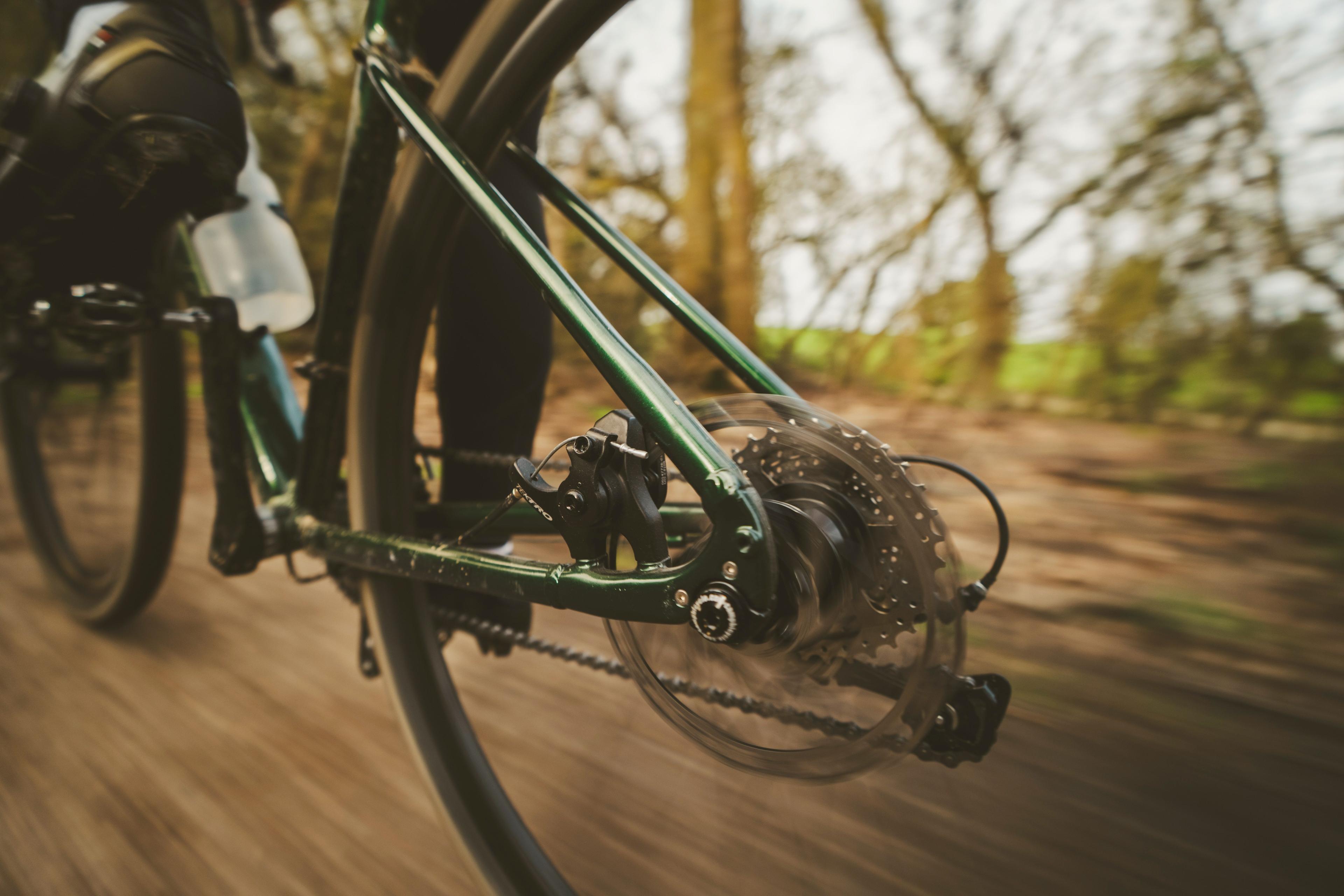
On a mechanical disc brake, the force you apply to the lever is transmitted to the brake via a cable. One piston moves to press the brake pad against the rotor, while the other often remains fixed.
Braking performance therefore depends on the quality of the cable, its condition, and the precision of the adjustment. This type of system requires some manual maintenance: occasionally you’ll need to retighten the cable or adjust the pad position to maintain optimal braking power.
Simple and durable, mechanical disc brakes are a popular choice for bike travel and gravel adventures, where easy on-the-road repairs are essential.
Hydraulic brakes work differently: pressure is transmitted through a sealed system filled with fluid. When you squeeze the lever, the fluid pushes two pistons simultaneously, clamping the rotor on both sides.
This system delivers more precise, powerful, and responsive braking. Less effort is required at the lever, while maintaining optimal control - a major advantage for gravel riding, bikepacking, or long-distance cycling trips on technical terrain.
Mechanical disc brakes stand out for their ease of maintenance. They are simple to adjust and repair, even while out on the road. If needed, you can retighten or replace a cable directly during your ride, making them a very practical option for bike travelers.
Advantages:
Features:
Welt Bikes models equipped with mechanical brakes remain an excellent choice for riders seeking a simple, reliable, and easy-to-maintain bike for gravel rides or light bikepacking adventures.
Hydraulic disc brakes offer superior braking power and precise control, even on the most demanding terrain. Thanks to the fluid pressure in a sealed system, braking is smooth, progressive, and consistent, regardless of the route or conditions.
Advantages:
Features:
For enthusiasts of gravel riding, long-distance bikepacking, or bike travel in mountainous regions, hydraulic brakes provide safety, comfort, and performance, even in the most extreme conditions.
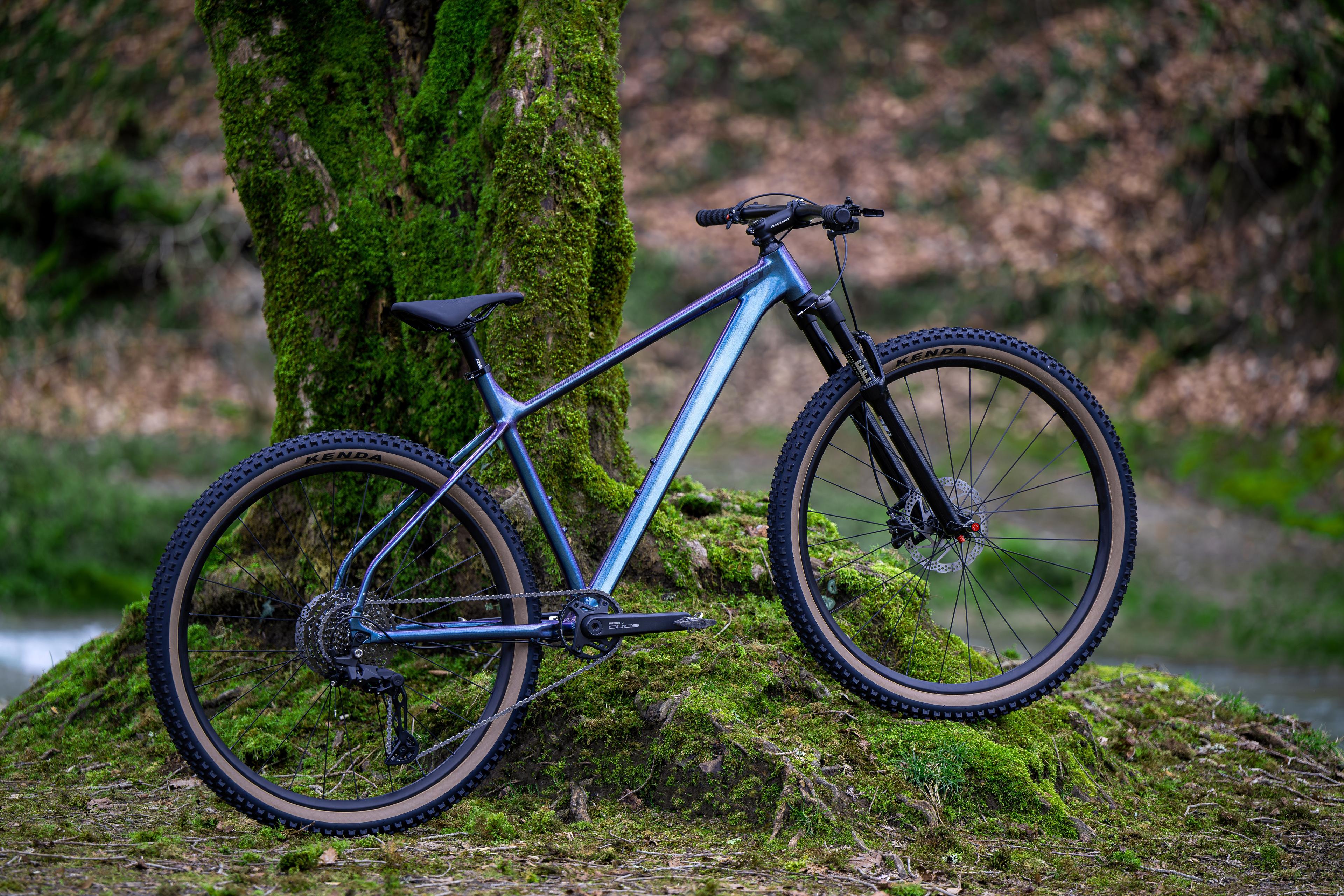
If you plan to ride on city streets, park paths, or gravel trails, a hardtail with 100–120 mm of fork travel and 29-inch wheels is ideal. This type of bike offers efficient rolling, easy maintenance, and comfortable handling, perfect for relaxed rides, gravel adventures, or light bikepacking trips.
For those looking to tackle more technical trails and feel confident on uneven terrain, it’s better to opt for trail hardtails or full-suspension mountain bikes. With 120–140 mm of suspension, these bikes provide greater comfort and better control on fast descents and jumps, making them perfect for more dynamic gravel rides or advanced bikepacking adventures.
Cyclists who enjoy touring and long-distance bike travel should consider sturdy hardtails with 27.5- or 29-inch wheels, preferably with a rigid fork. These bikes are lighter, easier to maintain, and allow riders to save energy on flat sections - a major advantage during long self-supported journeys.
On the other hand, beginners should avoid highly specialized bikes, such as downhill bikes (https://en.wikipedia.org/wiki/Downhill_bike) or fat bikes (https://fr.wikipedia.org/wiki/Fatbike), which are limited to very specific uses and offer little enjoyment on typical routes. Similarly, very basic and inexpensive bikes are not recommended, as maintenance costs can quickly exceed the purchase price.
Discover our selection of gravel and mountain bikes for your travel style: (https://www.welt-bikes.com/fr/fr/velos/gravel-fr)
Mechanical disc brakes require simple, periodic maintenance: you need to retighten the cable and adjust the gap between the brake pads and the rotor. This can be done easily on the road, without complicated tools, making it ideal for bike travel, bikepacking, or gravel rides.
For a step-by-step guide on adjusting mechanical brakes, check out this tutorial (https://conseilsport.decathlon.fr/lart-du-nettoyage-des-disques-de-freins-dun-vtt).
Hydraulic brakes require a bit more care: the system needs to be bled to remove air and the brake fluid topped up. It’s not complicated, but it requires time, some specific tools, and a basic level of experience.
Important: never mix fluids from different manufacturers. Use only the type recommended by your brake manufacturer.
For self-supported trips or long bikepacking adventures, it’s useful to understand the basics of maintaining your hydraulic brakes. Even reliable systems can sometimes develop a leak in the hose or bleed nipple, and knowing how to identify and temporarily fix the problem can save your ride.
Choosing According to Your Riding Style
The choice between mechanical and hydraulic brakes depends on your riding style, terrain, and budget.
If you’re unsure, the specialists at Welt Bikes stores can guide you, help you choose the system that best suits your style, and adjust your brakes for optimal performance.
Find a store near you and get expert advice to select the perfect bike for your travel style (https://www.welt-bikes.com/fr/fr/magasins).