
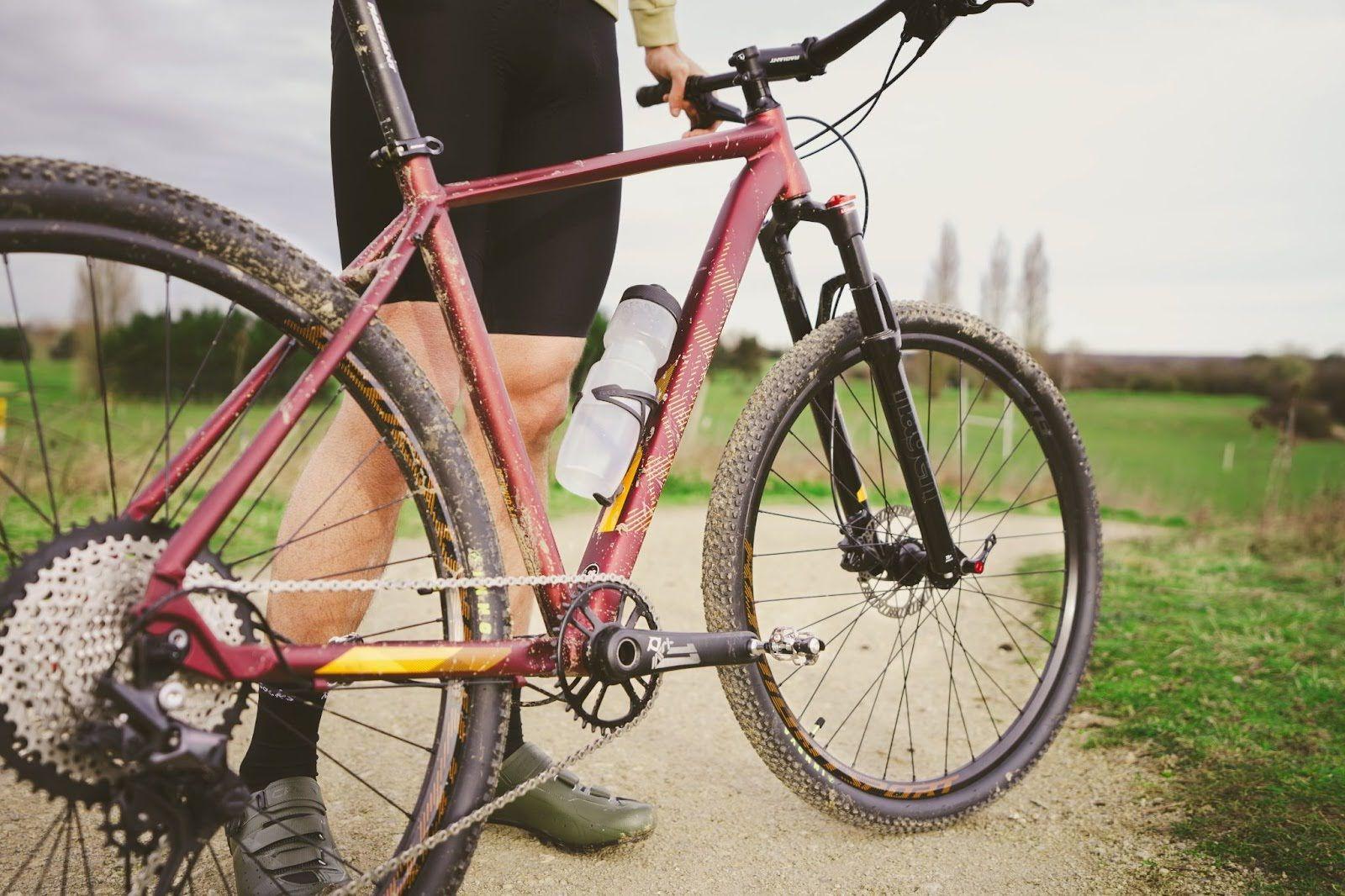
When it comes to bike drivetrains, one common question arises: how many chainrings should you have at the front - one, two, or three? This choice is far from trivial, as it directly affects your climbing comfort, the speed you can achieve, and the smoothness of gear shifting. Whether you’re a gravel bike enthusiast exploring countryside trails in France, or a mountain biker tackling technical forest paths, understanding the different chainring setups is essential to get the most out of your rides.
In this article, we explain how front chainring systems work, the differences between each setup, and how to select the configuration that best suits your riding style and terrain. At Welt Bikes, we design bikes for all types of roads and trails, from long gravel adventures to more technical MTB rides.
To learn more about the types of gravel bikes and how to choose the right model, you can consult practical guides and technical recommendations on specialized sites.
The front chainring, also called the chainring system, is a set of gears mounted on the bike’s crankset, where the pedals are attached. When you pedal, the chain transfers power from the front chainring to the rear cassette, propelling the bike forward.
The number and size of front chainrings determine the bike’s gear ratio, which affects how easy or hard it is to pedal depending on the terrain. On a gravel bike, choosing the right chainring setup can make climbs smoother and descents more controlled. On a mountain bike (MTB), it helps manage technical sections and rough trails with greater precision.
At Welt Bikes, our bikes are designed with optimized chainring configurations to match your rides, whether you’re exploring paved roads, gravel trails around cities, or venturing into the great outdoors for extended adventures.
Modern bikes - whether gravel bikes, mountain bikes (MTB), or touring bikes - mainly use three types of front chainring setups: single chainring (1x), double chainring (2x), and triple chainring (3x). Each setup offers advantages depending on the terrain, your riding style, and the type of adventure you plan.
Explore the selection of single and double chainring gravel bikes from Welt Bikes.
At Welt Bikes, each model is designed to meet a specific need - from light and fast gravel bikes to robust MTBs for demanding trails - ensuring every cyclist finds the right balance between simplicity, performance, and riding enjoyment.
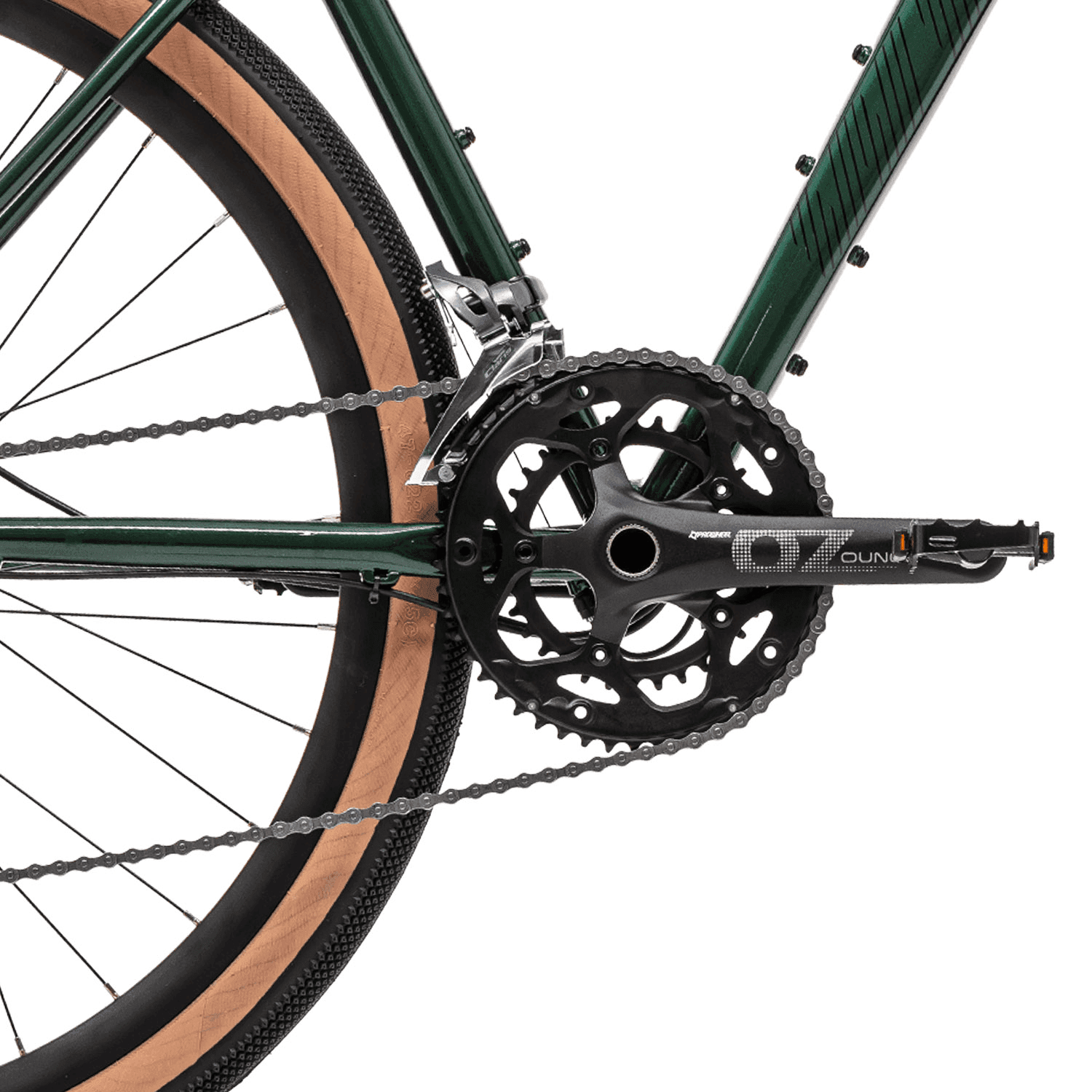
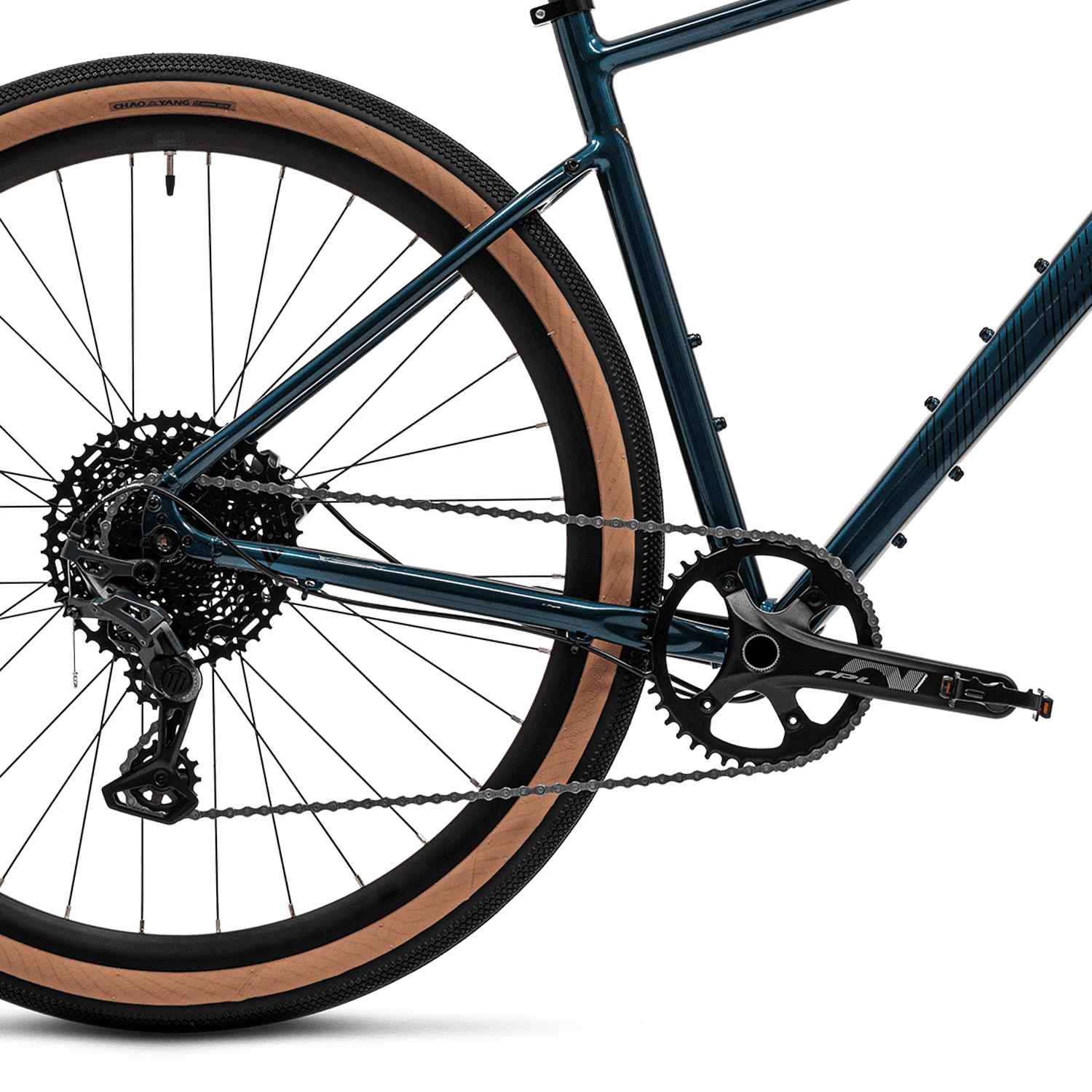
Single chainring and double chainring on bikes by Welt
Choosing the number of front chainrings isn’t just a technical decision - it directly impacts your bike handling, performance, and overall riding experience. Whether you’re a gravel bike enthusiast, a mountain biker, or a road cyclist, understanding the differences between 1x, 2x, and 3x setups will help you select the configuration that best suits your style and terrain.
No matter your preferred terrain - gravel, MTB, or road - choosing the right drivetrain setup will optimize both your performance and comfort.At Welt Bikes, every configuration is designed to deliver the best possible pedaling experience, with reliable components tailored for outdoor adventures.
Choosing the number of front chainrings on your bike depends on several key factors: your type of bike, your riding level, the terrain, and your priorities regarding weight, reliability, and maintenance.
Type of Bike and Riding Style Each type of bike is best suited to a specific chainring configuration. MTBs and gravel bikes today favor the single chainring (1x) for its simplicity, light weight, and reliability on rough terrain and mixed trails. Touring and cross-country bikes often opt for a double chainring (2x), offering an excellent balance between versatility and efficiency — ideal for alternating climbs and rolling roads. Urban or entry-level bikes sometimes retain a triple chainring (3x), valued for its wide gear range and flexibility.
Welt Bikes designs bikes for all these uses, whether it’s gravel riding, mountain biking, or bikepacking adventures.
Physical Condition and Pedaling Style Beginner riders or those cycling on hilly terrain benefit from a drivetrain with a wide gear range, making climbs and long rides easier. Experienced riders or performance enthusiasts often prefer a minimalist 1x system, which requires fewer shifts and provides a more direct pedaling feel.
Weight and Reliability Fewer chainrings mean fewer mechanical parts, reducing the risk of failure and making the bike lighter. This is crucial for MTB, gravel, or bikepacking riders, where robustness and simplicity take priority over complex multi-chainring drivetrains.
Maintenance and Upkeep The single chainring (1x) is the easiest to maintain: no front derailleur, fewer cables, and faster cleaning — a major advantage for riding in muddy or dusty conditions. 2x and 3x systems, on the other hand, require more attention: front derailleur adjustments, cable tensioning, and precise alignment to ensure smooth shifting.
Still unsure which configuration is right for you? Watch this tutorial

The number of chainrings on your bike plays a key role in your comfort, pedaling efficiency, and overall riding enjoyment - whether you’re cycling through the city, exploring gravel paths, or setting off on a long-distance bikepacking adventure. Before choosing a new bike or upgrading your drivetrain, take a moment to think about your usual routes and riding style: do you prefer simplicity, or do you need a wide range of gears? The answer will guide you toward the system that suits you best.
Choosing the right bike transmission system will help you maximize your comfort, control, and enjoyment- whether you’re into gravel riding, technical mountain biking, or multi-day bikepacking. At Welt Bikes, our bicycles are designed to combine performance, reliability, and the best outdoor experience for every rider.
Start your next adventure here